

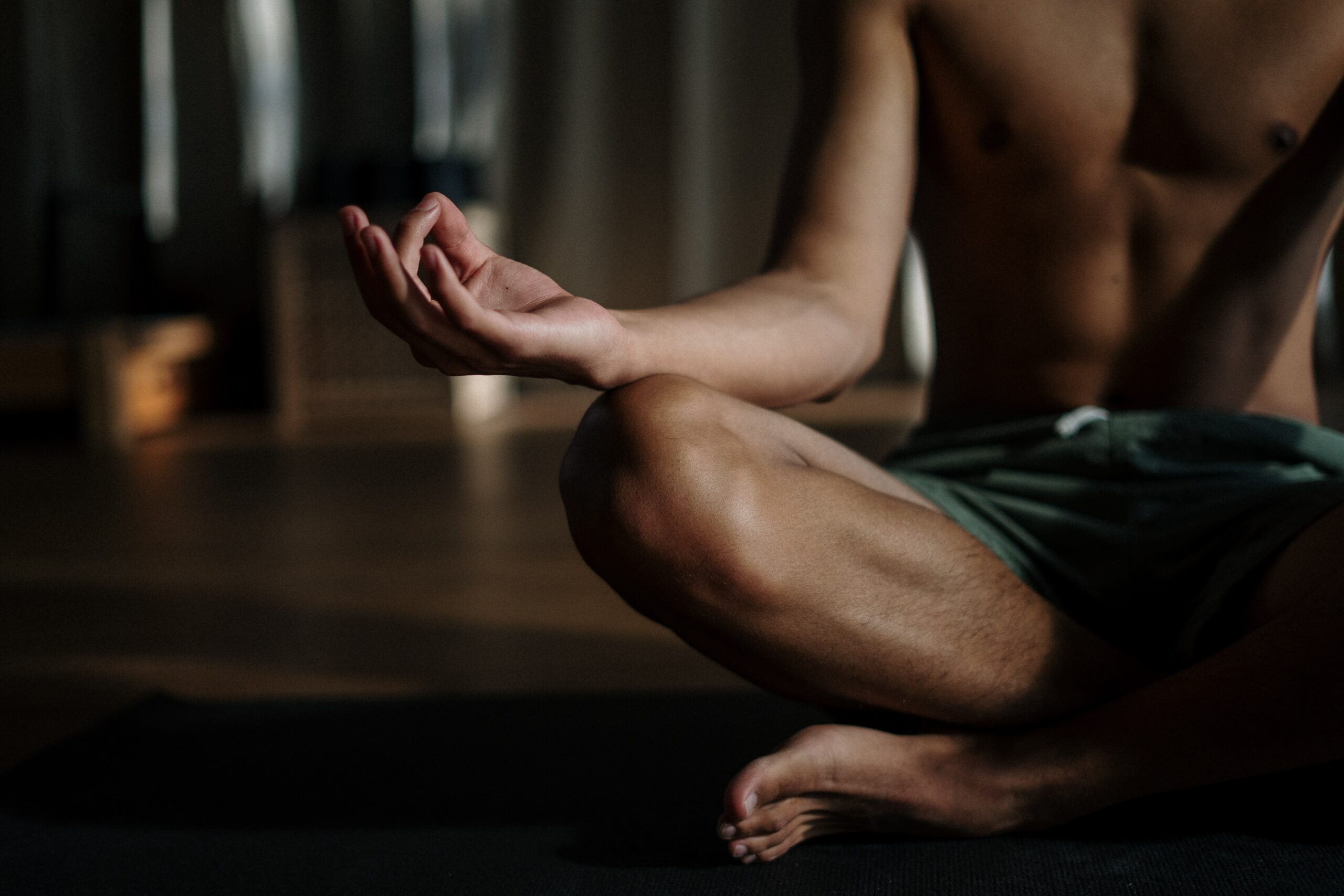
Yoga has become an increasingly popular practice for stress relief. This ancient form of exercise combines physical movement, breath control, and meditation to promote relaxation and reduce anxiety. In this article, we’ll explore the science behind yoga for stress relief and how it works.
One of the primary ways that yoga helps to reduce stress is through its impact on the nervous system. Practicing yoga activates the parasympathetic nervous system, which is responsible for the «rest and digest» response. This response slows down the heart rate, lowers blood pressure, and relaxes the muscles, which can all contribute to a reduction in stress.
In addition to its impact on the nervous system, yoga can also reduce stress through its effects on the endocrine system. Regular yoga practice has been shown to decrease levels of the stress hormone cortisol. Cortisol is released in response to stress and can lead to a number of negative health effects when levels are chronically elevated. By reducing cortisol levels, yoga can help to mitigate the negative effects of stress on the body.
Yoga also promotes mindfulness, which is the practice of being present in the moment without judgment. This can help individuals to better manage their thoughts and emotions, which can contribute to a reduction in stress. Mindfulness has been shown to have a number of other health benefits as well, including improved sleep and decreased symptoms of depression and anxiety.
Finally, yoga can also help to reduce stress through its physical benefits. Practicing yoga can improve flexibility, strength, and balance, which can all contribute to a sense of well-being. Additionally, physical activity has been shown to have a positive impact on mental health, including a reduction in symptoms of anxiety and depression.
In conclusion, yoga can be an effective tool for stress relief. Its impact on the nervous and endocrine systems, promotion of mindfulness, and physical benefits all contribute to its effectiveness. If you’re looking for a natural way to reduce stress, consider adding yoga to your routine.
Sources:
- Innes, K. E., & Vincent, H. K. (2007). The influence of yoga-based programs on risk profiles in adults with type 2 diabetes mellitus: a systematic review. Evidence-Based Complementary and Alternative Medicine, 4(4), 469-486.
- Streeter, C. C., Gerbarg, P. L., Saper, R. B., Ciraulo, D. A., & Brown, R. P. (2012). Effects of yoga on the autonomic nervous system, gamma-aminobutyric-acid, and allostasis in epilepsy, depression, and post-traumatic stress disorder. Medical hypotheses, 78(5), 571-579.
- Sharma, M., & Knowlden, A. P. (2017). Yoga as a complementary therapy for stress management in healthy middle-aged adults: A systematic review. Journal of evidence-based complementary & alternative medicine, 22(4), 1017-1028.
- Kiecolt-Glaser, J. K., Christian, L., Preston, H., Houts, C. R., Malarkey, W. B., Emery, C. F., … & Glaser, R. (2010). Stress, inflammation, and yoga practice. Psychosomatic Medicine, 72(2), 113-121.
- Bhavanani, A. B., Ramanathan, M., Balaji, R., Pushpa, D., & Madanmohan, T. (2014). Effects of different yogic breathing techniques on cardiorespiratory variables and stress in healthy individuals: A randomized controlled trial. International journal of yoga, 7(2), 104-110.